
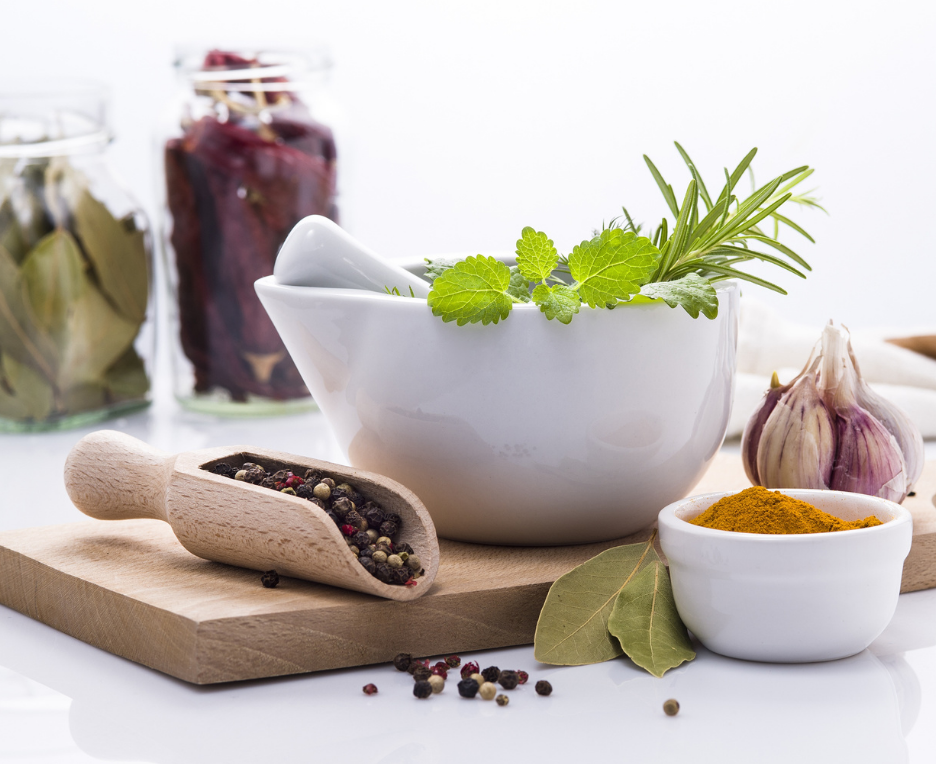
Everyone knows herbs have been used for centuries for medicinal as well as culinary, ceremonial, and decorative ways. Here are nine herbs you may think you know, but who may surprise you with their beneficial uses.
1. Cinnamon
Due to its antimicrobial activities, cinnamon is used in cosmetics or food products and as a health-promoting agent to treat diseases like inflammation, gastrointestinal disorders, and urinary infections.
The bark or oil has been used to combat microorganisms, diarrhea and other GI disorders, and dysmenorrhea. Research interest has focused on cinnamon’s potential as an insulin-like analog, an anti-inflammatory agent, an antioxidant, and an antimicrobial substance.
Gain all the cinnamon benefits while using these cinnamon-containing supplements to help maintain stable blood sugar and insulin control throughout the day.
2. Cumin
Cumin has been used since ancient times as an ingredient in foods in the Middle East, and cumin seeds have long been used as antiseptic and disinfectant in India.
3. Rosemary
Rosemary has been used in pharmaceutical products and traditional medicine and used as a flavoring agent in food products due to its desirable flavor, antioxidant activities, and antimicrobial activities.
4. Garlic
The antimicrobial activities of garlic have been recognized for many years through its active component allicin. Evidence suggests that garlic may beneficially affect cholesterol and lipids. Among its traditional uses, it has been employed for its antiseptic and antibacterial properties. Other potential areas of use include GI disorders and oncology.
The antiseptic and antibacterial properties of garlic have been known for centuries. As recently as World War II, garlic extracts were used to disinfect wounds. During the 1800s, physicians routinely prescribed garlic inhalation for the treatment of tuberculosis.
Garlic extracts have shown antifungal activity when tested in vitro, and their use has been suggested in the treatment of oral and vaginal candidiasis.
5. Ginger
Ginger has quite the pedigree, with possibly the longest list of benefits of any herb or spice.
Ginger is helpful in the following capacities:
- antiemetic (prevents vomiting)
- cardiotonic
- antithrombotic
- antibacterial
- antioxidant
- antitussive (prevents coughs)
- antihepatotoxic (prevents liver damage)
- anti-inflammatory
- antimutagenic (prevents genetic mutation)
- stimulant
- diaphoretic (induces perspiration)
- diuretic
- spasmolytic (relieves smooth muscle spasm)
- immunostimulant (stimulates immune system)
- carminative (relieves flatulence)
Ginger is used to promote gastric secretions, increase intestinal peristalsis, lower cholesterol levels, raise blood glucose, and stimulate peripheral circulation. Traditionally used to stimulate digestion, its modern uses include prophylaxis for nausea and vomiting (associated with motion sickness, extreme, persistent nausea and vomiting during pregnancy, and anesthesia), dyspepsia, lack of appetite, anorexia, colic, bronchitis, and rheumatic complaints.
6. Fennel
Fennel is a botanical traditionally used for gastrointestinal disorders such as colitis, dyspepsia, flatulence, bloating and loss of appetite. The essential oil of fennel seeds has also been reported with significant antifungal activities and antibacterial activities.
7. Black Pepper
Black pepper aids digestion, is an antioxidant, and is used in traditional Ayurveda with honey as a cold and flu remedy. It has also been shown to support the absorption of other beneficial herbs, especially turmeric.
Black pepper is an ingredient in Annatto-E Synergy to help the body with inflammatory response, lipid levels, and oxidative stress.
8. Oregano
Aside from its culinary application, oregano exhibits the following actions:
- antimicrobial
- antioxidant
- anti-fungal (appears to have some activity against Candida species)
- anti-parasitic
9. Thyme
In recent studies, thyme was found to possess efficient antimicrobial activities and is used in some foods to extend the shelf-life. Thyme also has antiviral properties.
Contact us to to learn about the supplements we offer than contain these beneficial herbs.
Try adding common herbs to your cooking and supplement regime to help support a healthy balance and when your body needs some extra help.


0 Comments